Choosing the Right Bathtub Material for Your Home
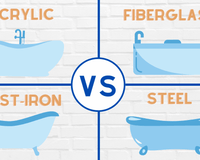
When shopping for a new bathtub, the material you choose will significantly impact durability, maintenance, cost, and overall bathing experience. In this comprehensive guide, we'll compare the three most popular bathtub materials—acrylic, cast iron, and stone resin—to help you make an informed decision for your bathroom renovation.
Acrylic Bathtubs: Lightweight and Affordable
What is Acrylic?
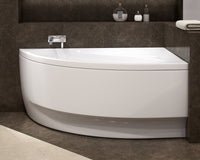
Acrylic bathtubs are made from vacuum-formed acrylic sheets reinforced with fiberglass. This manufacturing process creates a lightweight, non-porous surface that's become one of the most popular choices for modern bathrooms.
Pros of Acrylic Bathtubs
- Affordable: Acrylic tubs are typically the most budget-friendly option, making them ideal for cost-conscious renovations
- Lightweight: Easy to install and doesn't require additional floor reinforcement
- Excellent heat retention: Keeps water warm longer than many other materials
- Non-porous surface: Resists mold, mildew, and staining
- Wide variety of styles: Available in numerous shapes, sizes, and colors
- Easy to repair: Minor scratches can be buffed out
Cons of Acrylic Bathtubs
- Less durable: Can scratch, dent, or crack more easily than heavier materials
- May flex: Lower-quality acrylic tubs can feel less sturdy
- Shorter lifespan: Typically lasts 10-15 years with proper care
Best For:
Budget-conscious homeowners, rental properties, and those who prioritize easy installation and variety of design options.
Cast Iron Bathtubs: Classic Durability
What is Cast Iron?
Cast iron bathtubs are made by pouring molten iron into a mold, then coating it with a porcelain enamel finish. This traditional manufacturing method has been used for over a century and remains popular for its exceptional durability.
Pros of Cast Iron Bathtubs
- Extremely durable: Can last 50+ years or even a lifetime with proper care
- Superior heat retention: The thick iron walls keep water hot for extended periods
- Scratch-resistant: The porcelain enamel coating is highly resistant to scratches and chips
- Timeless aesthetic: Classic look that adds value to your home
- Stable and solid: No flexing or movement during use
- Easy to clean: Smooth, non-porous surface wipes clean easily
Cons of Cast Iron Bathtubs
- Very heavy: Weighs 300-500 pounds, requiring reinforced flooring and professional installation
- Expensive: Higher upfront cost than acrylic
- Limited styles: Fewer design options compared to acrylic or stone resin
- Difficult to repair: Chips in the enamel can be challenging to fix
- Cold to the touch: Requires running hot water to warm up the surface
Best For:
Homeowners seeking a long-term investment, those renovating historic homes, and anyone who values traditional craftsmanship and durability.
Stone Resin Bathtubs: Modern Luxury
What is Stone Resin?
Stone resin bathtubs (also called solid surface or composite bathtubs) are made from a mixture of natural stone particles (like crushed limestone or granite) combined with high-quality resin. This creates a solid, non-porous material that offers a luxurious matte finish.
Pros of Stone Resin Bathtubs
- Luxurious appearance: Smooth, matte finish with a high-end spa-like aesthetic
- Excellent heat retention: Retains warmth as well as or better than cast iron
- Durable and solid: Resistant to chips, cracks, and scratches
- Repairable: Minor damage can be sanded and refinished
- Non-porous: Resists stains, mold, and bacteria
- Moderate weight: Heavier than acrylic but lighter than cast iron
- Modern designs: Available in contemporary freestanding styles
Cons of Stone Resin Bathtubs
- Premium price: Most expensive option of the three
- Requires professional installation: Weight and specialized knowledge needed
- Limited color options: Typically available in white, black, or neutral tones
- Can be heavy: May require floor reinforcement depending on the model
Best For:
Luxury bathroom renovations, modern or contemporary design aesthetics, and homeowners who want the best of both worlds—durability and style.
Side-by-Side Comparison
| Feature | Acrylic | Cast Iron | Stone Resin |
|---|---|---|---|
| Price Range | $900-$2,000 | $1,000-$3,000+ | $1,500-$5,000+ |
| Weight | 60-100 lbs | 300-500 lbs | 150-300 lbs |
| Lifespan | 10-15 years | 50+ years | 25-30 years |
| Heat Retention | Good | Excellent | Excellent |
| Maintenance | Low | Low | Low |
| Installation | Easy (DIY possible) | Difficult (professional required) | Moderate to Difficult |
| Design Options | Extensive | Limited | Moderate |
Which Bathtub Material Should You Choose?
Choose Acrylic If:
- You're working with a limited budget
- You want easy installation or DIY capability
- You need a wide variety of shapes and sizes
- Weight is a concern for your bathroom floor
Choose Cast Iron If:
- You want a bathtub that will last a lifetime
- You're renovating a historic or traditional home
- You prioritize heat retention for long soaks
- You have the budget and structural support for a heavy tub
Choose Stone Resin If:
- You're creating a luxury spa-like bathroom
- You want a modern, contemporary aesthetic
- You're willing to invest in premium quality
- You want excellent durability with a lighter weight than cast iron
Final Thoughts
The best bathtub material for your home depends on your budget, design preferences, and long-term goals. Acrylic offers affordability and versatility, cast iron provides unmatched durability and classic appeal, while stone resin delivers modern luxury and excellent performance.
Consider your bathroom's structural capacity, your renovation budget, and how long you plan to stay in your home when making your decision. Whichever material you choose, investing in a quality bathtub will enhance your daily routine and add value to your home for years to come.
Ready to find the perfect bathtub for your bathroom? Browse our extensive collection of acrylic, cast iron, and stone resin bathtubs to discover the ideal match for your space and style.