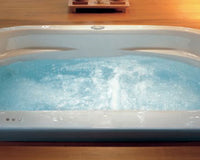
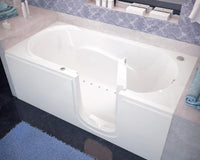
For seniors aging in place, the bathroom remains the most hazardous room in the home. Each year, hundreds of thousands of older adults suffer bathroom-related injuries — most of them during bathing. As families look for safer solutions in 2026, walk-in tubs continue to stand out as one of the most effective ways to reduce fall risks, support independence, and protect aging loved ones.
This guide breaks down why walk-in tubs are considered the safest option, the specific safety features families should look for, potential risks, and how walk-in tubs compare to traditional tubs in real-life scenarios.
Why Bathroom Safety Matters More Than Ever in 2026
Mobility challenges, balance issues, arthritis, and slower reaction times all make traditional bathtubs increasingly dangerous for seniors. A standard tub requires lifting the leg over an 18–24" sidewall — a height many older adults simply cannot navigate safely.
- Common risks seniors face in the bathroom:
- Slipping while stepping into the tub
- Losing balance on wet surfaces
- Scalding from inconsistent hot water
- Getting stuck if they fall while bathing alone
- Standing too long, causing dizziness or fatigue
Family caregivers now prioritize long-term, practical safety upgrades — and walk-in tubs naturally rise to the top of the list.
How Walk-In Tubs Improve Bathroom Safety for Seniors
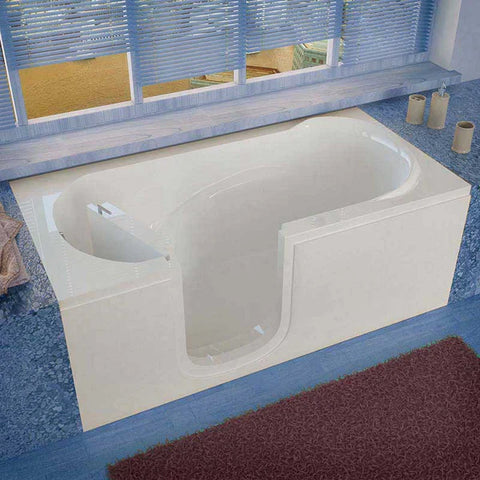
Walk-in tubs are specifically engineered for aging bodies, making bathing safer, easier, and far more comfortable. Unlike traditional tubs, they address the root causes of most bathroom injuries.
1. Low Step-In Entry (2–4 Inches)
Walk-in tubs eliminate the dangerous high step found in standard bathtubs.
A low, near-floor entrance significantly reduces trip hazards, letting seniors enter the tub naturally and confidently.
2. Built-In, ADA-Height Seating
Standing while bathing is one of the biggest contributors to slips.
Walk-in tubs include:
- Stable, ergonomic seats
- Anti-slip surfaces
- Full-body support during washing
This ensures seniors never need to stand or balance on wet flooring.
3. Anti-Slip Textured Floors
A non-slip floor is built directly into the tub — not a removable mat that can slide or wear out.
This provides grip even when the tub is filled with water.
4. Safety Grab Bars Installed at Key Points
Reinforced grab bars help seniors:
- Enter the tub
- Lower into the seat
- Stand up safely
These bars are solidly anchored, unlike many after-market add-ons.
5. Scald Protection & Temperature Control
In 2026, modern walk-in tubs use thermostatic valves that prevent sudden hot-water surges. Safe preset limits help protect delicate senior skin from burns.
6. Optional Therapy Features for Mobility and Pain Relief
Many seniors choose walk-in tubs not only for safety, but for comfort.
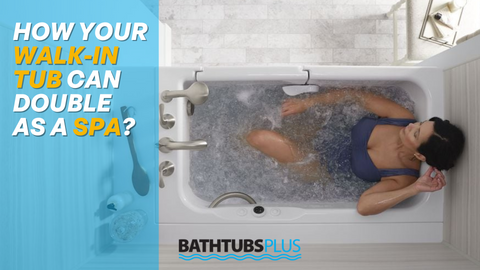
Hydrotherapy and air-jet systems can:
- Soothe arthritis
- Reduce joint stiffness
- Improve circulation
- Boost mobility
Regular hydrotherapy can help reduce fall risk over time.
Are Walk-In Tubs Always Safe? Breaking Down Myths & Risks
Like any product, walk-in tubs must be chosen wisely and installed correctly. Some families hesitate because of common misconceptions:
Myth 1: “You can get trapped inside a walk-in tub.”
Reality: Modern walk-in tubs include:
- Outward-swinging doors
- Emergency release latches
- Fast-drain technology
These eliminate the risk of being stuck during an emergency.
Myth 2: “Walk-in tubs take too long to fill and drain.”
This was true years ago, but 2026 models now feature:
- High-flow faucets
- Quick-drain systems
- Heated seating to keep users warm while waiting
Myth 3: “Installation is complicated or unsafe.”
When installed by certified professionals, walk-in tubs integrate seamlessly into existing bathrooms with proper plumbing, leveled floors, and secure sealing.
Can You Make a Traditional Tub Safer Instead?
Yes — but only up to a point.
Common add-ons include:
- Non-slip mats
- Grab bars
- Bath seats
- Handheld showers
While these help, they do not eliminate the biggest danger:
Stepping over a high bathtub wall.
Even with modifications, traditional tubs still require seniors to balance, lift their legs high, and navigate slippery surfaces.
Safety Comparison: Walk-In Tub vs. Traditional Tub
| Feature | Walk-In Tub | Traditional Tub |
|---|---|---|
| Entry Height | 2–4 inches | 18–24 inches |
| Built-In Seating | Yes | Add-on |
| Grab Bars | Included | Must install |
| Non-Slip Surface | Built-in | Mat required |
| Temperature Safety | Thermostatic control | None |
| Fall Prevention | Excellent | Limited |
| Best For | Seniors, mobility issues | Independent adults |
Why Walk-In Tubs Are the Best Choice for Elderly Parents in 2026
Families today want solutions that:
- Reduce fall risks
- Promote independence
- Support aging in place
- Provide therapeutic comfort
A walk-in tub achieves all of these with a single upgrade.
They are not just a “senior product” — they are a long-term safety investment that protects your aging parents’ dignity, comfort, and daily confidence.
Ready to Choose a Walk-In Tub?
At BathtubsPlus, we help families find the safest, most reliable walk-in tubs built for 2026 standards and senior-friendly living. Whether you’re upgrading a parent’s bathroom or planning ahead for your own aging-in-place needs, we offer:
-
Expert product guidance
-
ADA-friendly options
-
Hydrotherapy and air-jet models
-
Affordable, installation-ready tubs
Your parents’ safety matters — start with a safer way to bathe.